
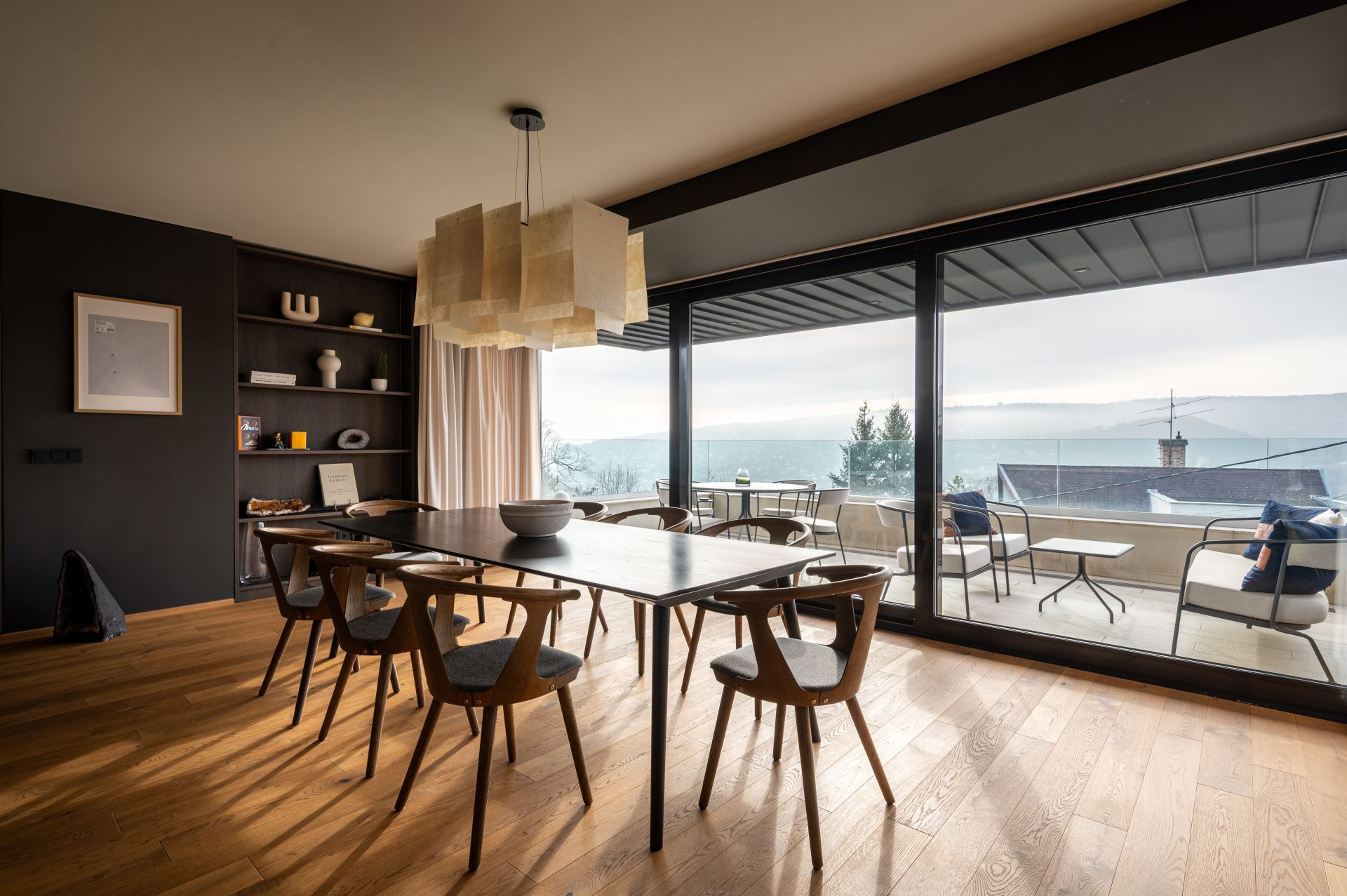
Living in Budapest District II: Rózsadomb, the Buda Hills and the Buda Lifestyle
On the western bank of the Danube, where the city gives way to hillside gardens and oak woods, Budapest's District II keeps its own unhurried time.
There is a moment, familiar to anyone who lives in Buda, when the tram crosses Margaret Bridge and the noise of the city falls away. The hills rise ahead and the streets begin to climb between garden walls and shuttered villas. This is the threshold of Budapest District II, a place residents describe less as a neighbourhood than as a way of living.
The Character of District II
The two banks of the Danube have always had different temperaments. Pest is flat, grand and energetic, a city of boulevards and late nights. Buda is contemplative: its streets follow the contours of the land, its views are framed by trees, and its evenings tend to end on a balcony rather than in a bar.
The Budapest II district reaches from the riverside around Margaret Bridge up to wooded ridges on the city's edge. The Buda lifestyle here is defined by privacy and proportion: gardens behind hedges, quiet streets, and the heart of the city never far away.
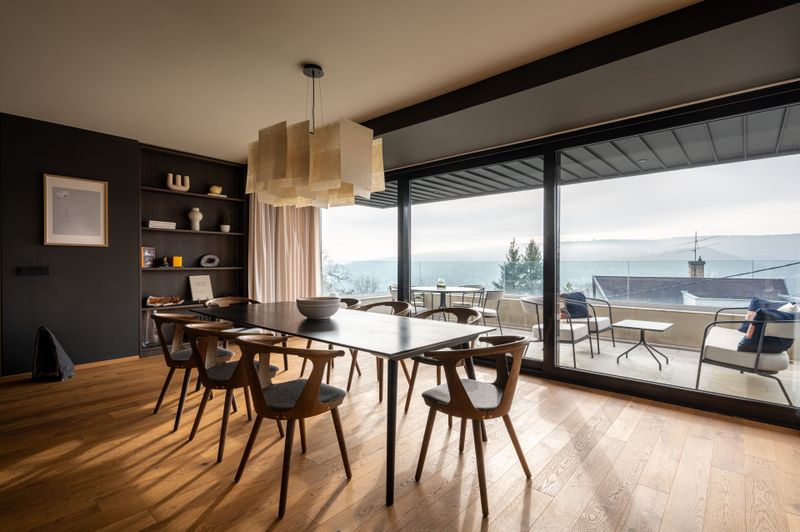
Green Surroundings and the Buda Hills
Few capitals allow their residents to step from a front door onto a forest path. Much of the Buda Hills landscape along the district's edges lies within the protected Buda Landscape Protection Area, a patchwork of oak and beech woodland, limestone ridges and open meadows.
Hűvösvölgy, the "cool valley", is the terminus of the Children's Railway and the starting point for trails into the woods. Hármashatár-hegy offers wide views across the city, and beneath Szépvölgy lie the Pál-völgyi and Szemlő-hegyi caves.
Closer to the river, Millenáris Park, created on the site of a former industrial works, combines lawns, water features and exhibition halls, while the rose garden around Gül Baba's tomb looks out over the rooftops towards Margaret Island.
Neighbourhoods and Residential Character
Rózsadomb, or Rose Hill, is traditionally linked to Gül Baba, the sixteenth-century Ottoman dervish whose tomb stands on its slope. Its winding streets hold early twentieth-century villas, interwar residences and discreet contemporary homes, many with views across the Danube to Parliament.
Pasarét, spread along a gentle valley to the west, is quieter and greener, its identity rooted in the 1930s. The Napraforgó utca experimental housing estate of 1931, a street of modernist houses by leading Hungarian architects of the day, remains one of the city's finest ensembles of interwar modernism.
Törökvész, Vérhalom and Rézmál offer elevated plots and generous gardens, while in Pesthidegkút, a former village joined to Budapest in 1950, family homes back directly onto woodland.
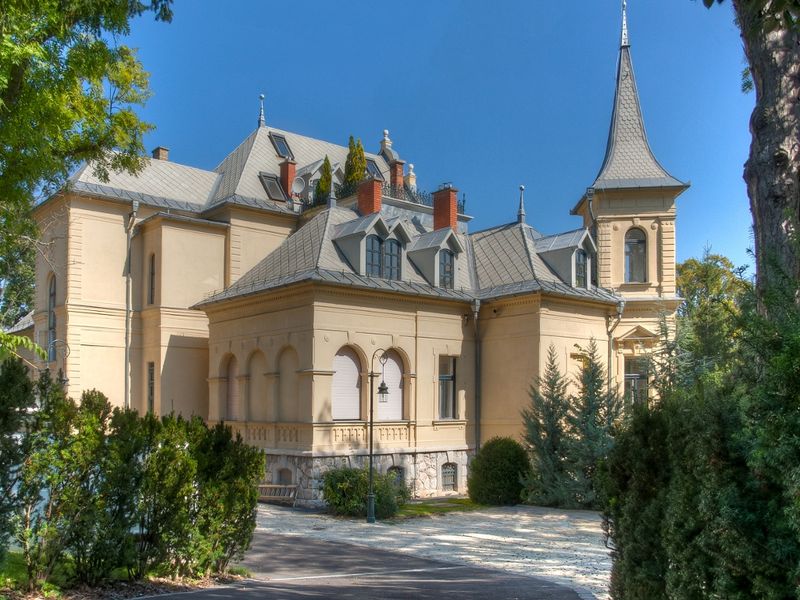
The housing is strikingly varied: stately apartment buildings with high ceilings near the river, restored historic villas beside new residences of glass and stone, boutique buildings among family homes. Much of the district retains a low-density character, and this diversity, rather than uniformity, gives homes in Buda's District II their enduring appeal.
Everyday Life on the Buda Side
Living in District II Budapest has a local rhythm: the neighbourhood bakery, the espresso bar where regulars are greeted by name, and on Saturday mornings the Fény utca market near Széll Kálmán tér, full of seasonal produce.
For families, green space, quieter streets and good local services make the district an easy place to grow up. SEK Budapest International School has its campus on Hűvösvölgyi út, the American International School of Budapest lies just beyond the district in neighbouring Nagykovácsi, and well-regarded Hungarian schools are close at hand, lending the district a settled, multigenerational character.
Culture, Leisure and Wellness
District II holds some of the most evocative chapters of Budapest's thermal tradition. The Lukács Baths near Margaret Bridge remain a place for locals: morning swims, steaming outdoor pools and unhurried conversation. Uphill, the tomb of Gül Baba recalls the Ottoman era, when bathing culture first flourished on this side of the river.
Above all, the district keeps its own pace. Weekday evenings are calm, weekends revolve around long lunches, walks and garden gatherings, and the seasons are felt keenly, from spring blossom on Rózsadomb to woodsmoke in the hills in November.
Connection to Central Budapest
For all its tranquillity, District II is closely woven into the life of the city. From Széll Kálmán tér, one of Buda's principal transport hubs, the M2 metro runs beneath the Danube to the heart of Pest, trams 4 and 6 cross Margaret Bridge onto the Grand Boulevard, and other lines climb towards Hűvösvölgy.
Riverside trams follow the Buda embankment, and Budapest Liszt Ferenc International Airport is readily accessible for frequent travellers. An evening concert in the centre can still end at home, where the loudest sound at night is the wind in the trees.
Why District II Speaks to International Buyers
For international buyers, District II offers qualities that have become hard to find elsewhere: privacy without isolation, nature without remoteness, and architecture with genuine character.
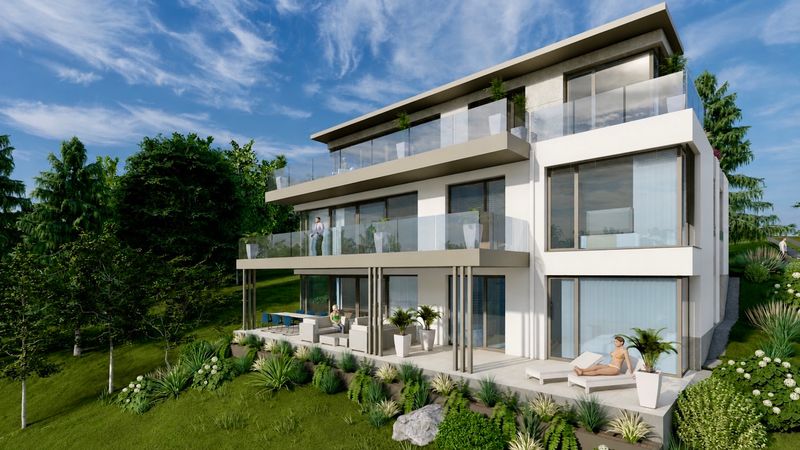
Budapest property in the district ranges from classic apartments near the river, well suited to a pied-à-terre, to contemporary residences with city views and family homes whose gardens open onto the hills. It can serve as a primary residence, a second home for those who divide their year between countries, or a long-term holding in a well-established residential area.
In discussions of luxury real estate in Budapest, District II appears alongside the city's most sought-after addresses. Its appeal rests on fundamentals that change slowly: landscape, architectural heritage and its relationship to the city.
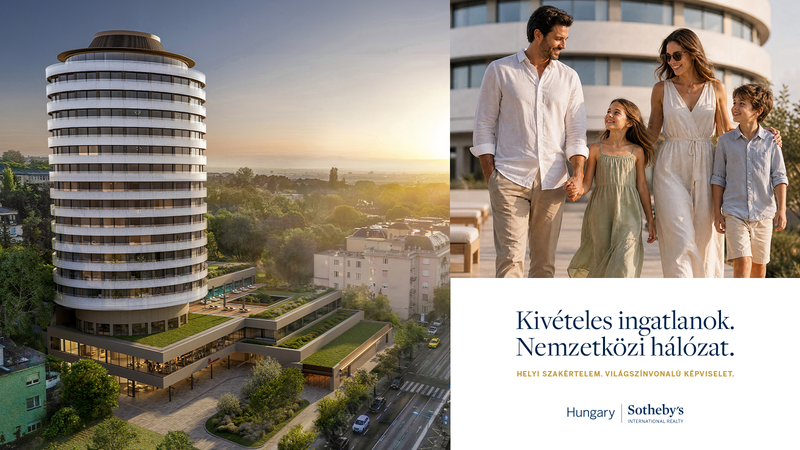
A New Chapter for the Körszálló building
Many simply know it as the Körszálló.
One of Budapest distict II's most recognizable landmarks is entering a new era. The iconic modernist building returns to the Buda skyline renewed, with a new purpose and a new way of living, as Hungary’s first Marriott-branded residences and for the first time, it can truly become someone’s home.
One of the defining features of The Icon by Marriott Residences Budapest is that its new vision does not erase the building’s past, it is built upon it.
An iconic past. A new chapter.
Follow the story of The Icon by Marriott Residences Budapest with us.
Living in District II
Perhaps the truest measure of District II lies in its small moments. Coffee on a terrace as the morning mist lifts from the Danube. The walk home through a quiet street where lime trees scent the June air. A winter evening when the lights of Pest glitter across the river and the hills behind the house fall dark and still.
This is living in Budapest at its most composed: a life in which the city is always present, yet never intrusive. For those drawn to the luxury homes in Budapest that carry history, character and a genuine connection to their setting, District II offers not simply an address but a way of inhabiting the city.
At Hungary Sotheby's International Realty, we have the privilege of knowing these hillsides street by street, and of introducing discerning buyers from around the world to the homes that give them their character.
Related Posts
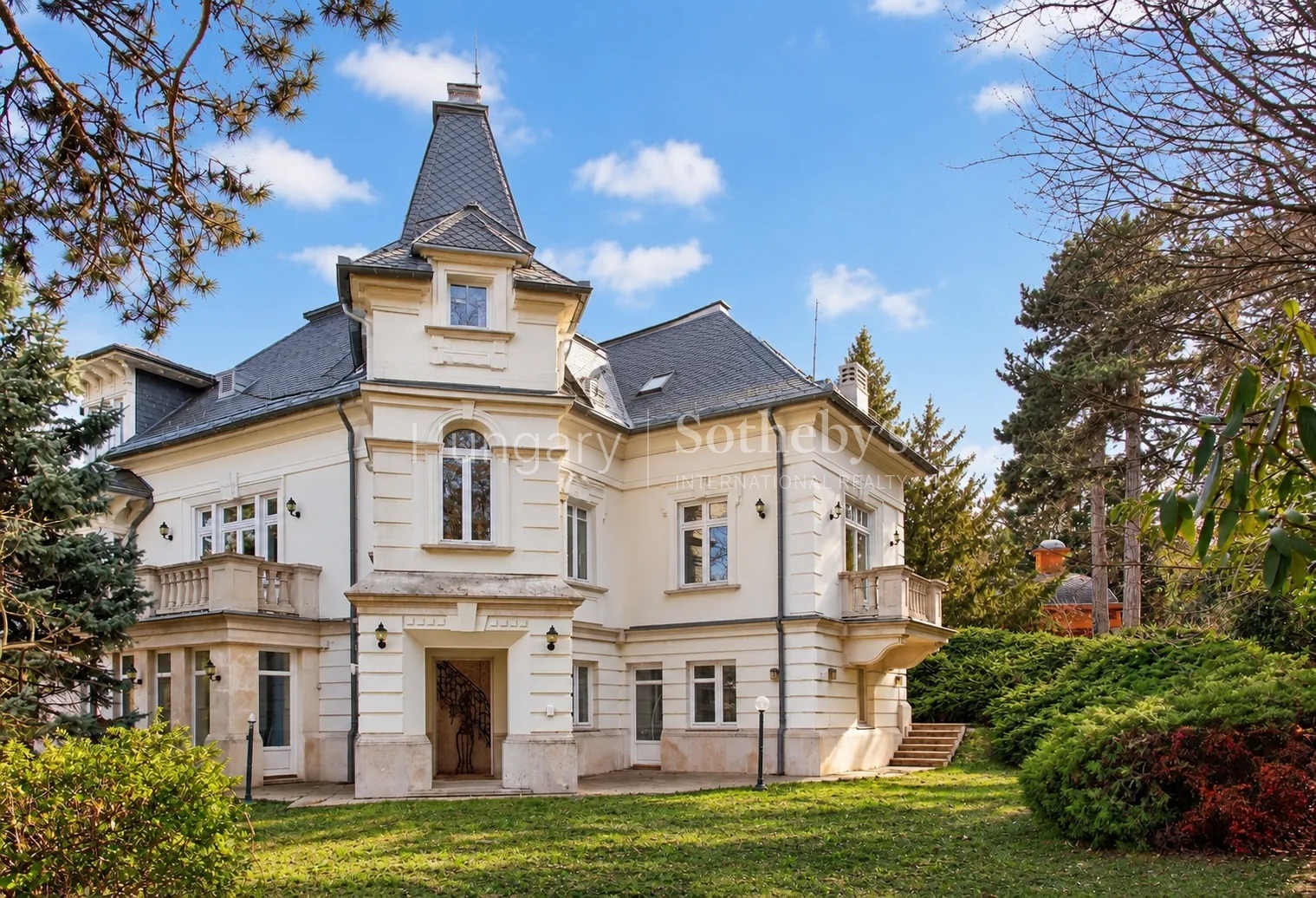
Exceptional Homes in Budapest – Discover Our Exclusive Rental Portfolio
Budapest’s distinctive character is shaped by its historic architecture, the captivating panorama of the Danube, its vibrant cultural scene and the tranquil green surroundings of the Buda Hills. More than an exciting destination, the Hungarian capital has become an increasingly attractive place to call home for both international and local residents, offering a rare balance between cosmopolitan living and refined residential comfort.
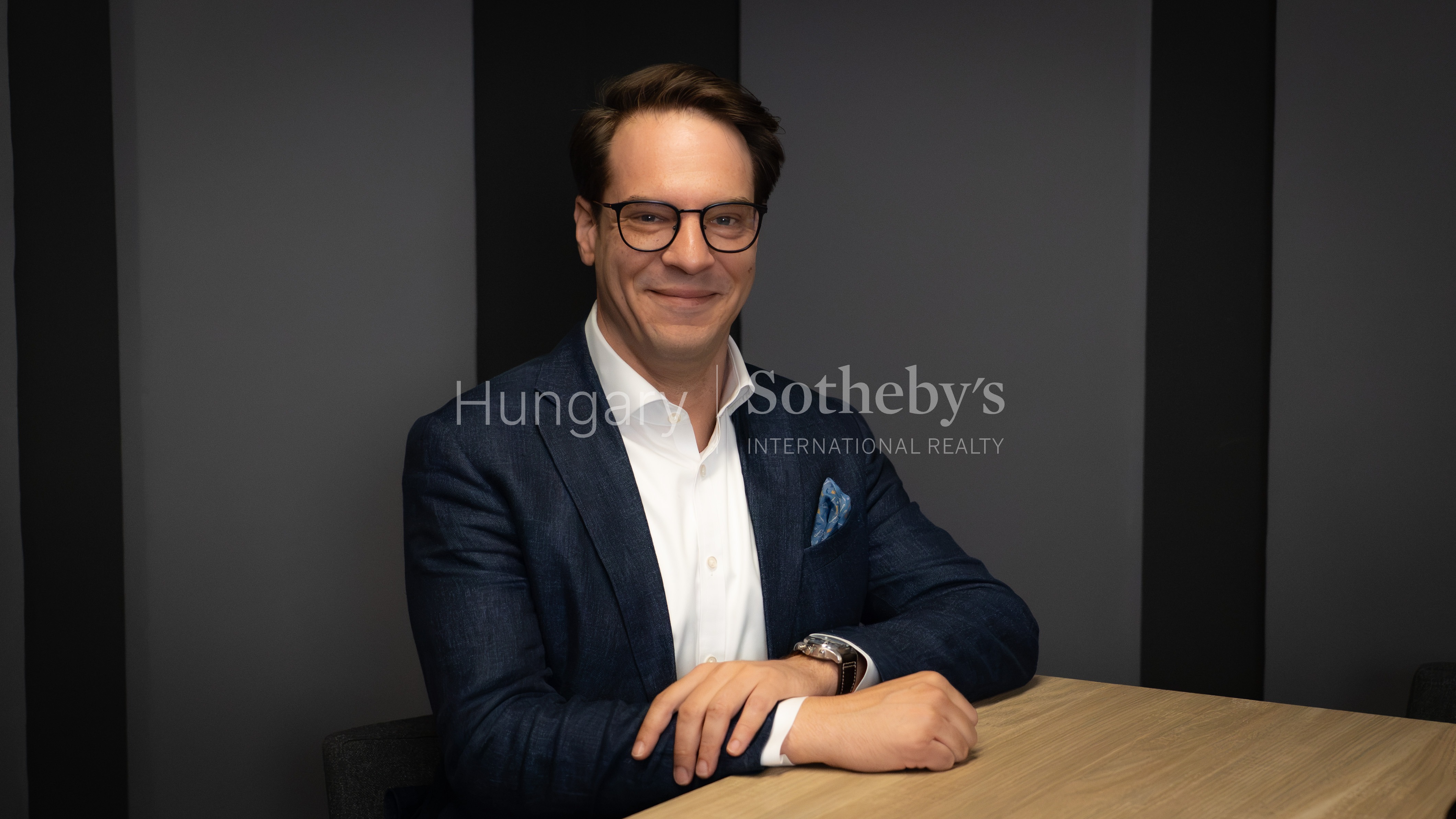
Portfolio Business Podcast - Hungary’s Luxury Real Estate Market Is Changing - What Has Happened to Buyers?
How is Hungary’s luxury property market evolving? What are today's high-end property buyers really looking for, and why has realistic pricing become more important than ever? These are among the key questions discussed by Gergely Andó, CEO of Sotheby’s International Realty Hungary, in the latest episode of the Portfolio Business Podcast.
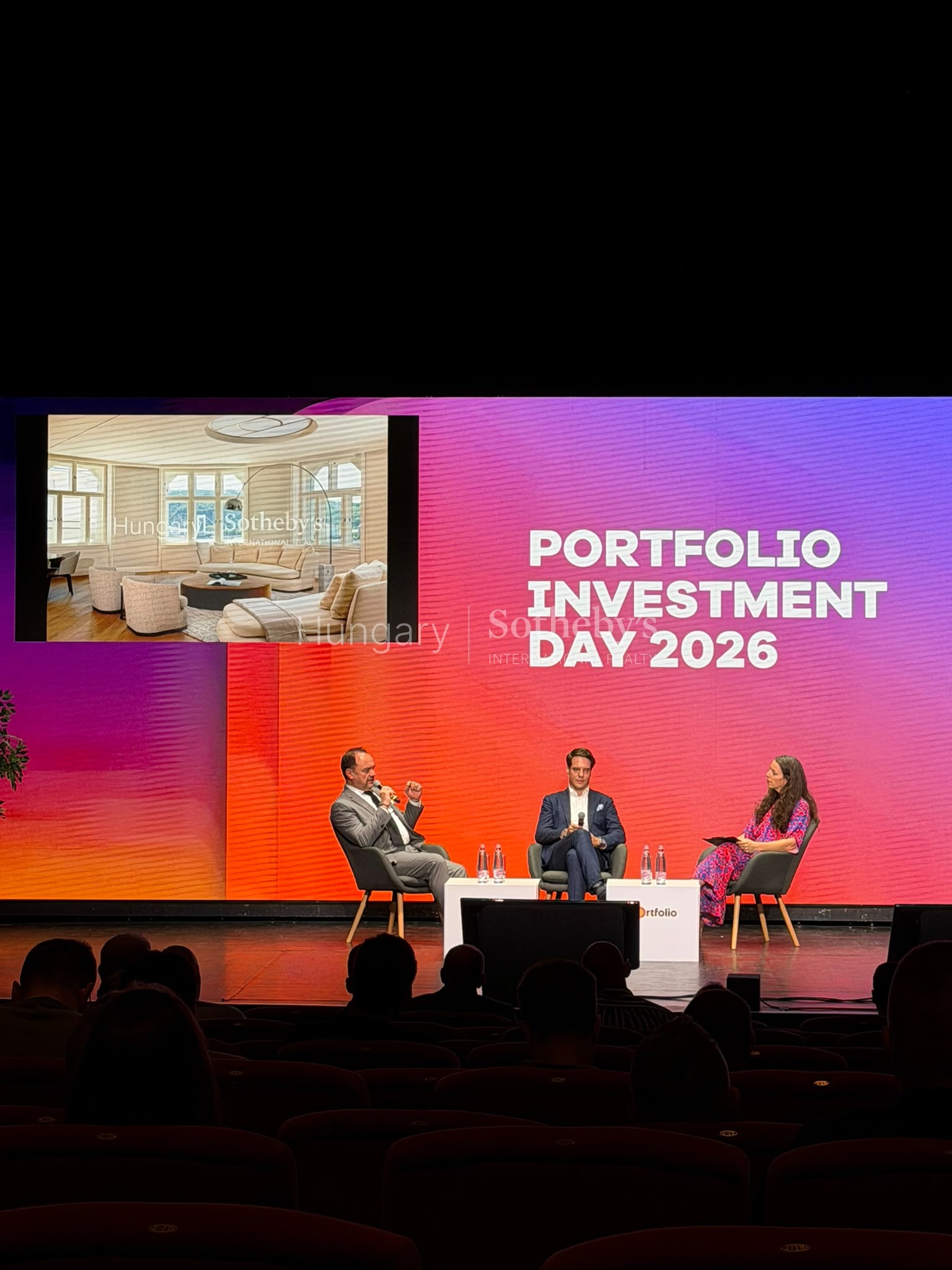
Portfolio Investment Day 2026
Hungary Sotheby’s International Realty was proudly represented by György Gresó, Development Director, and Gergely Andó, Chief Executive Officer, who joined fellow industry professionals for valuable discussions on investment opportunities and market perspectives.